
One calendar, one certificate library
Building Compliance Services in London
Every statutory inspection and test your building needs, on one calendar, under one contract, with every certificate filed against the building rather than scattered across contractors.
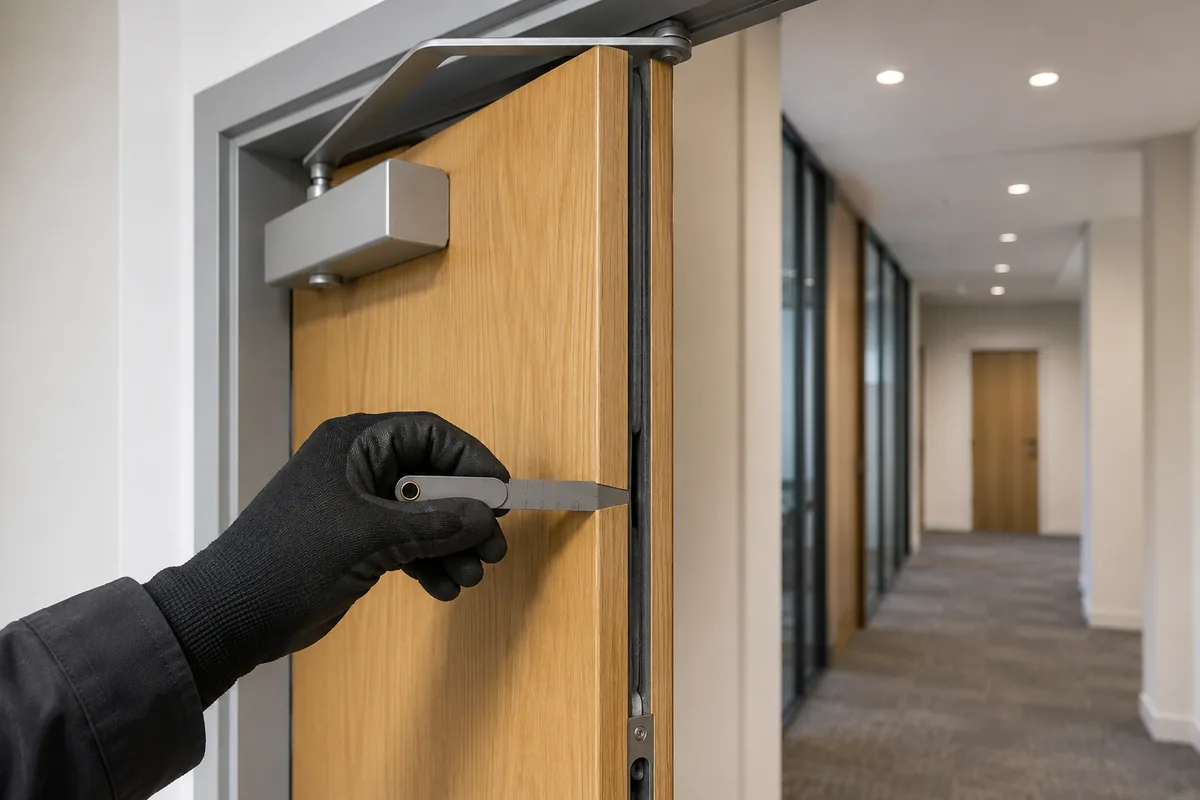
Compliance rarely fails through neglect. It fails through fragmentation.
For a London commercial building the compliance load is relentless: fixed wire testing, emergency lighting, fire alarm servicing, fire door inspection, water hygiene, gas safety, lifting equipment, asbestos management.
The usual failure is not that somebody decided to skip a test. It is that eight different contractors each hold their own paperwork, on their own cycle, and nobody holds the whole picture. The gap only becomes visible when an insurer, a landlord or an auditor asks, which is the worst moment to discover it.
This service exists to hold the whole picture.
Everything that has to happen, whether anyone remembers or not.
Delivered or managed, and we tell you which.
Some of this work we self-deliver. Some of it is legitimately credential-gated: legionella risk assessment, lift thorough examination, UKAS-accredited asbestos surveying. The honest position is that those should be done by accredited specialists.
What we do in every case is own the calendar, arrange the visit, chase the certificate, log the remedial actions and make sure the next cycle is booked. You get one contract and one accountable party. You do not get a contractor pretending to hold accreditations it does not have.
Remedials are where compliance actually breaks down.
A test produces a certificate and, usually, a list of things to put right. Those remedial actions are where compliance most often stalls: the test happened, the report landed, and the C2 observations sat in an inbox until the next test found them again.
Remedial actions raised by any inspection go straight onto the works schedule with a priority and a price. That closes the loop, which is the only part of compliance that actually reduces risk.
Why bundle it
You can buy each test separately. Holding the whole picture is the hard part.
One calendar
Every statutory obligation for the building in one place with one set of due dates, instead of eight contractors each on their own cycle.
One certificate library
Certificates filed against the building, not against the contractor who happened to do the test. They stay when the contractor goes.
Remedials that close
The C1s and C2s are what insurers actually read. They go onto the works schedule with a price, rather than sitting in an inbox until the next test finds them again.
Honest about accreditation
We self-deliver a good part of this and use accredited specialists for the credential-gated work. We will always tell you which is which.
Audit in ten minutes
The test of a compliance contract is whether you can answer an insurer, a landlord or an auditor without ringing your contractor first.
Gaps found before an audit does
We will take your existing certificates and show you plainly what is in date, what is overdue and what has never been done at all.
Where the risk concentrates
Buildings where compliance is hardest to hold together.
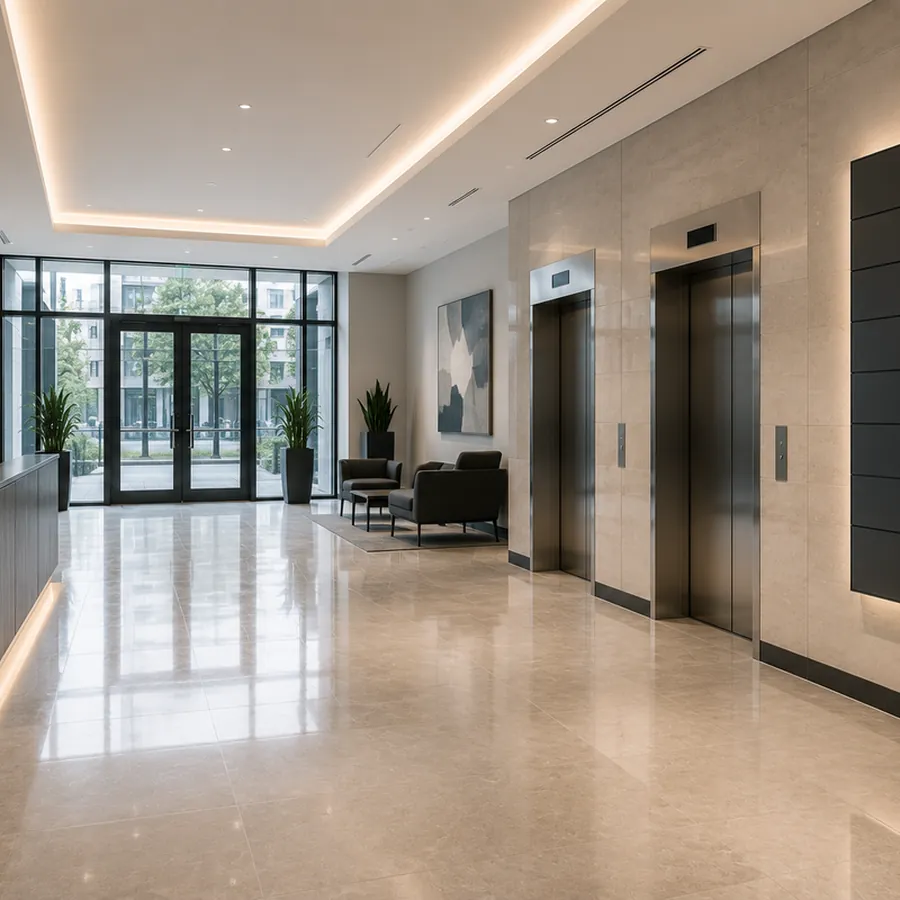
Managing agents and landlords
Multiple buildings, multiple duty holders and a leaseholder or insurer who will eventually ask for evidence.
Read more →Retail estates
Twenty small units generate twenty sets of statutory obligations. Tracked centrally it is manageable; tracked per store it is where estates get caught.
Read more →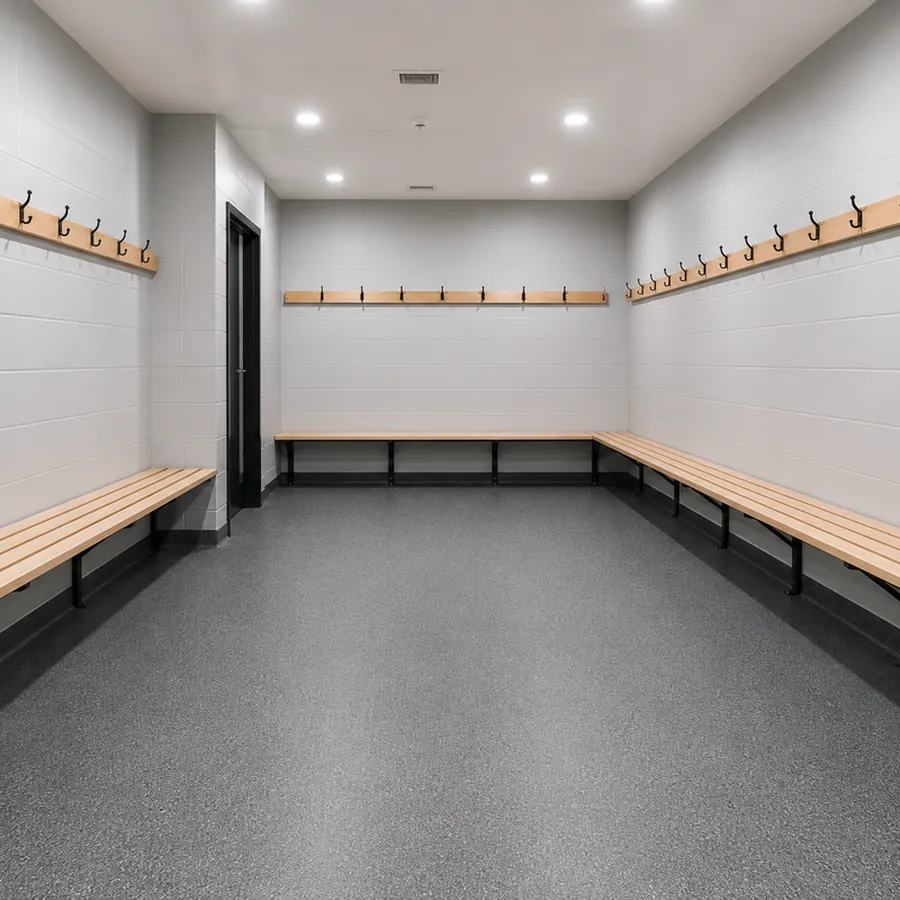
Leisure and public buildings
Water hygiene matters more in a building full of showers, and public access raises the stakes on fire safety.
Read more →How we work
How we take compliance on.
- 01
Audit what exists
Your current certificates against what the building actually needs. This is where most of the surprises are.
- 02
Build the calendar
Every obligation with a frequency, a due date and an owner, across one building or a whole portfolio.
- 03
Run the cycle
Visits arranged, certificates chased and filed, next cycle booked before the current one closes.
- 04
Close the remedials
Findings priced and scheduled. The loop closing is the only part that actually reduces risk.
Common questions
Questions we get asked about compliance.
Can you audit our current compliance position?
Yes, and it is the sensible starting point. We take your existing certificates, build the asset and obligation list for the building, and show you plainly what is in date, what is overdue and what has never been done.
Do you hold the accreditations for all of this yourselves?
No, and any contractor claiming otherwise is worth questioning. We self-deliver a substantial part of it and use accredited specialists for the credential-gated work: legionella risk assessment, lift thorough examination and UKAS-accredited asbestos surveying. We hold the relationship, manage the visit and own the certificate either way.
Who is legally responsible for compliance?
The duty sits with the building owner, the employer or the person in control of the premises, depending on the regulation. A contractor cannot take that duty off you. What we can do is make it straightforward to discharge and easy to evidence that you have.
What happens if a test fails?
The findings are graded and quoted. Anything immediately dangerous is made safe on the visit. Everything else goes onto the remedial schedule with a priority, so it is planned and budgeted rather than rediscovered at the next inspection.
One conversation, every trade at the table.
Tell us about the building and which disciplines are causing the pain. We will come back with how the group would run them.
Talk to the group