
Answered around the clock
24 Hour Reactive Maintenance in London
One number for the things no calendar predicts: a failed heater in January, a leak over a server room, a door that will not lock at closing time.
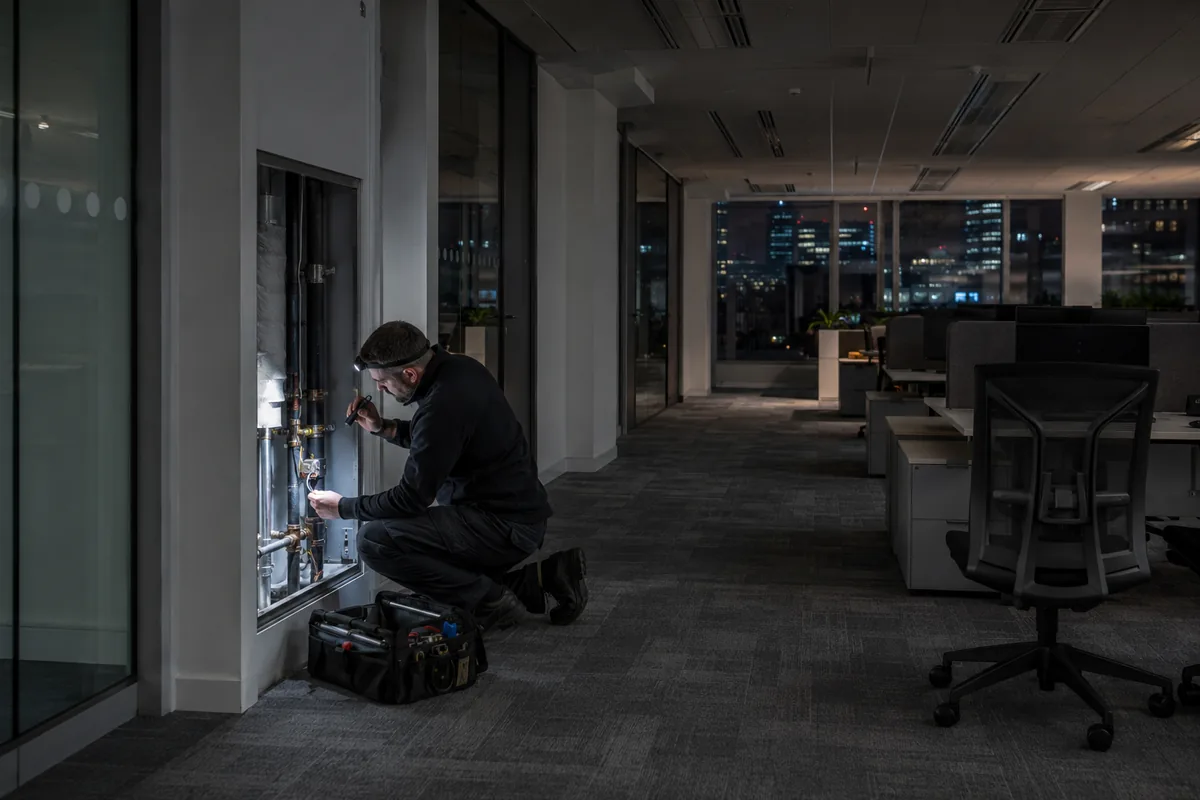
Everyone has a 24 hour line. The difference is what happens next.
Everybody advertises a 24 hour line. The difference is what happens after the phone is answered.
A reactive call has to be logged so it cannot be forgotten, assigned to someone who can actually attend, given a realistic time rather than a comforting one, and closed with a record of what was done. Most of the frustration with reactive maintenance is not slow attendance. It is not knowing.
Every job we take is time-stamped, owned and closed with an outcome, whether it came in at 10am or 2am.
What we get called out to.
- Water: leaks, burst pipes, blocked drains, failed pumps, water ingress
- Power: total or partial loss of supply, tripping circuits, failed lighting, emergency lighting failure
- Heating and cooling: boiler and AC failure, no heating, no hot water, overheating server and plant rooms
- Security and access: doors that will not lock or open, failed access control, broken glazing, damaged shutters
- Fabric: ceiling collapse, floor damage, storm and impact damage, making safe
- Fire safety: alarm faults, failed door closers, blocked or damaged escape routes
Make safe first, fix properly second
For most out-of-hours calls the right first move is to make the building safe and stop the damage, not to complete a permanent repair at 3am with the wrong parts on the van.
We will tell you plainly which one you are getting. A temporary fix logged as temporary, with the permanent repair scheduled and priced, is more useful than a permanent repair claimed and not delivered.
Reactive works better attached to planned
Reactive maintenance is a symptom. A building generating a lot of it is usually telling you something about its planned regime, its plant age or its compliance position.
Where we hold both, reactive callouts feed back into the planned calendar, so recurring faults get designed out rather than repeatedly attended. That is the point at which the maintenance spend starts falling.
What good reactive looks like
Everyone has a 24 hour number. This is what happens after it is answered.
Answered by a person
Out of hours you reach someone who can log the job and dispatch, not an answering service taking a message for the morning.
Logged, owned, closed
A time stamp, a named owner and a recorded outcome on every job, whether it came in at 10am or 2am.
Told the truth about timing
A realistic attendance time rather than a comforting one. Most frustration with reactive maintenance is not slow attendance, it is not knowing.
Make safe, then fix properly
A temporary fix logged as temporary, with the permanent repair scheduled and priced, beats a permanent repair claimed and not delivered.
We already know the building
Access arrangements, alarm procedures and site notes held in advance, so a 2am attendance does not depend on reaching someone who knows the door code.
Costs agreed in advance
Callout terms and out-of-hours rates agreed up front, so there is no argument about the invoice after a bad night.
Who calls most
Where reactive cover earns its money.
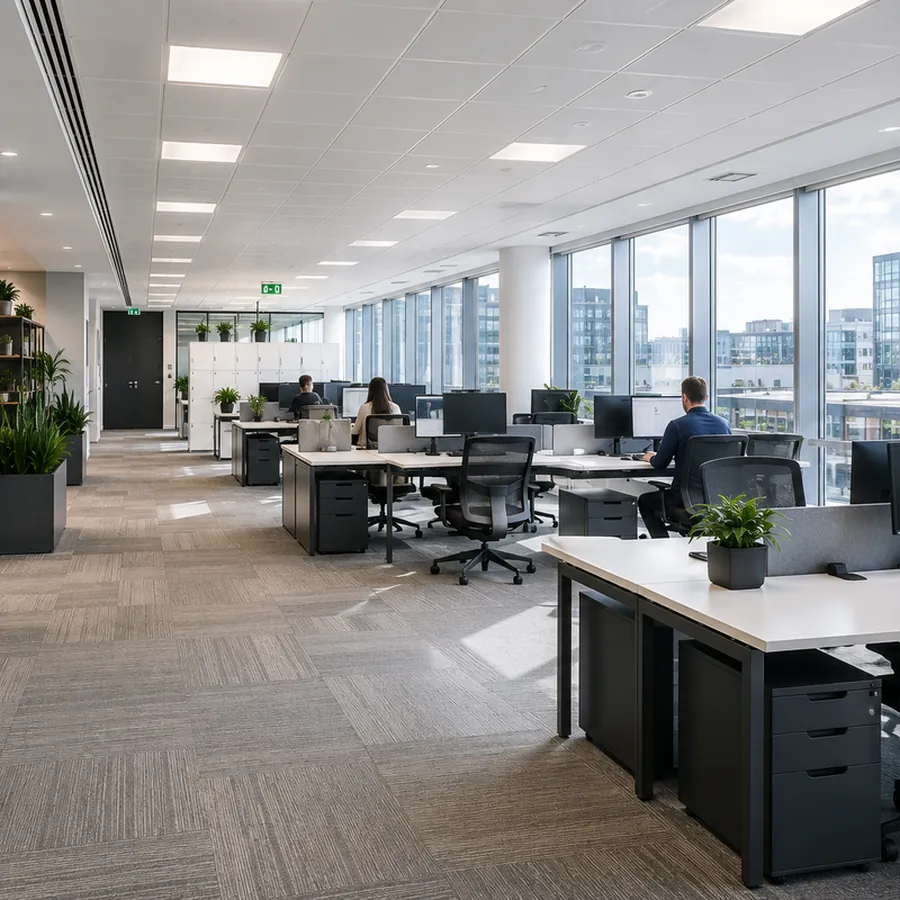
Offices and workspace
Occupied buildings where almost nothing can be done in working hours, and temperature generates more complaints than everything else combined.
Read more →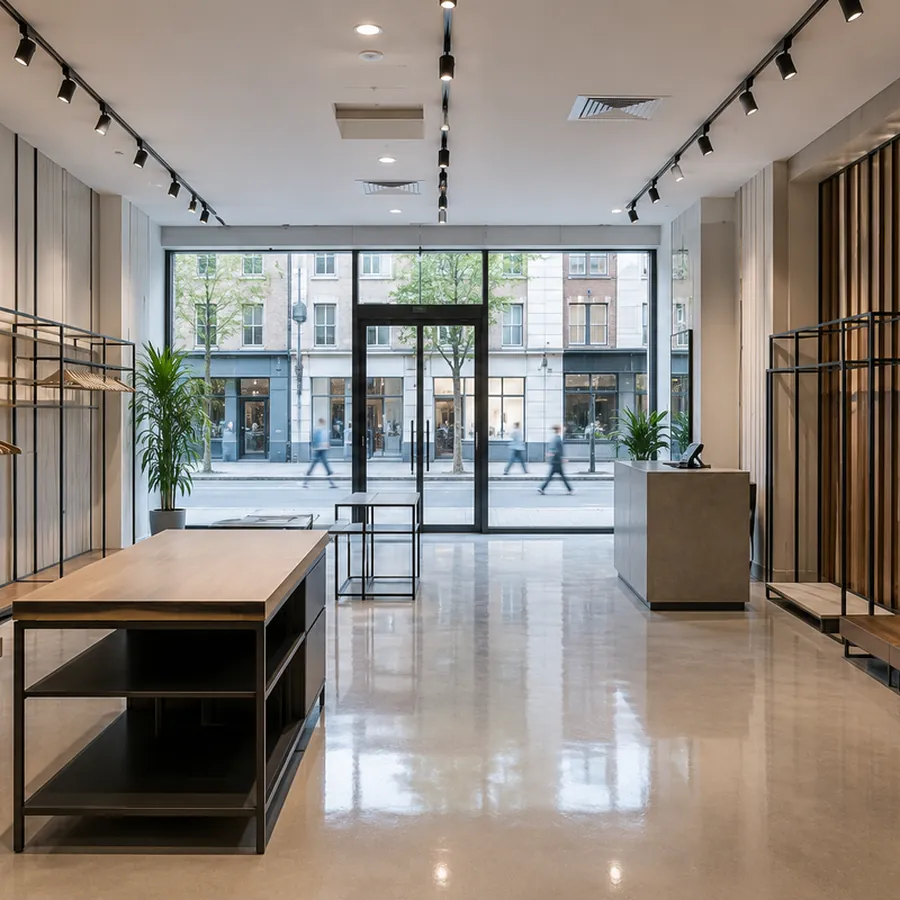
Retail
Where a fault is lost trade rather than an inconvenience, and response time is the thing that actually matters.
Read more →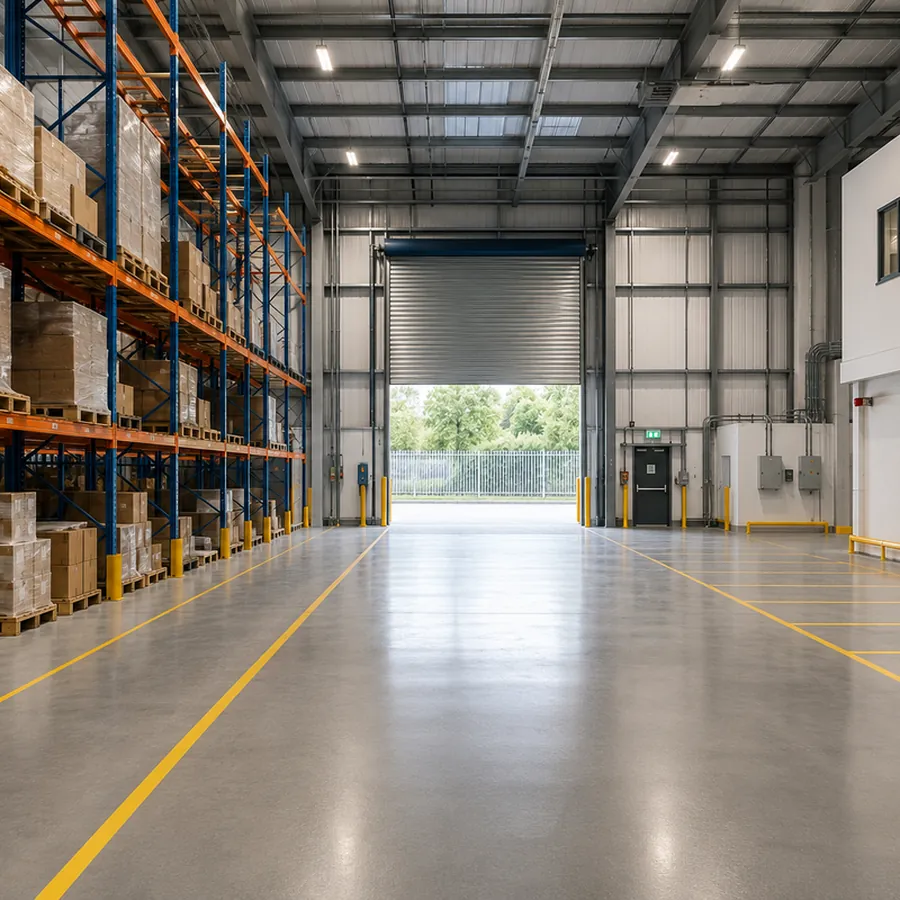
Industrial and warehouse
Big roofs, hard-worked floors and loading bays. These buildings fail at the envelope, usually somewhere high up.
Read more →How we work
What happens when you ring.
- 01
Logged
The job is recorded with a time, a location, a description and a priority, before anyone goes anywhere. Nothing lives in a voicemail.
- 02
Prioritised
Against the priorities agreed in your contract, so nobody is arguing at 2am about whether a leak counts as an emergency.
- 03
Attended
Made safe first: stop the damage, secure the building, restore what can be restored with what is on the van.
- 04
Closed and followed up
A record of what was done, and where the fix was temporary, the permanent repair priced and scheduled rather than forgotten.
Common questions
Questions we get asked about reactive cover.
Is the line answered by a person?
Yes. Out of hours you speak to someone who can log the job and dispatch, not an answering service that takes a message for the morning.
What counts as an emergency?
Anything affecting safety, security, or the ability to trade: loss of power or water, active leaks, fire safety failures, a building that cannot be locked or cannot be entered. Priorities are agreed per contract so there is no argument about it at 2am.
Do you charge a callout fee?
Contract clients have callout terms agreed up front, including out-of-hours rates, so there are no surprises on the invoice. Ad hoc callouts are quoted before we attend wherever the situation allows it.
Can you hold keys or access details?
Yes. For contract buildings we hold access arrangements, alarm procedures and site-specific information so an out-of-hours attendance does not depend on reaching someone who knows the building.
Elsewhere on the site
Related services
One conversation, every trade at the table.
Tell us about the building and which disciplines are causing the pain. We will come back with how the group would run them.
Talk to the group